
Choosing the right textile personalization method for your business | Embroidery vs. Printing vs. Jacquard 2026
What is each method of textile personalization?
Before comparing, here is an overview of what the main techniques cover, and why they differ.
Printing and sublimation: direct image on textile
Textile printing encompasses several processes, screen printing, DTG, DTF, sublimation, which apply ink or the design directly (or via transfer) onto the textile.
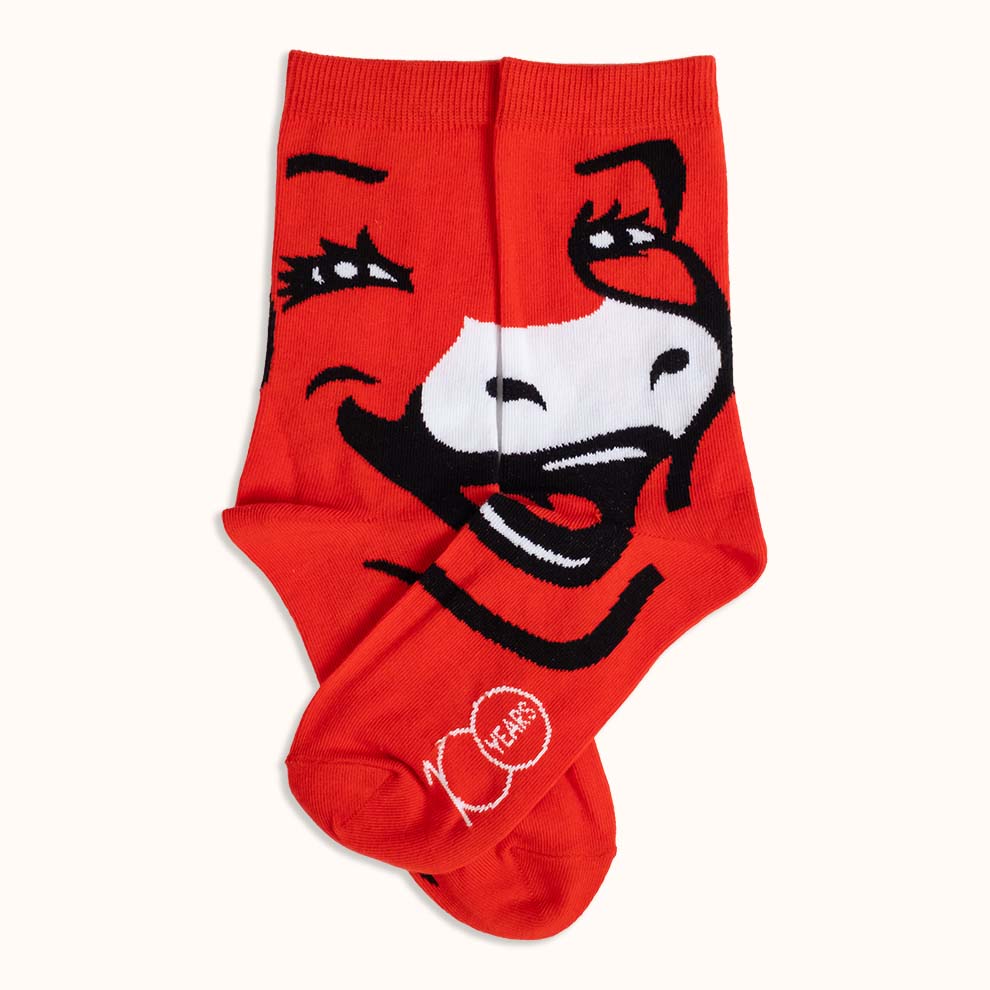
In the case of sublimation on personalized socks, for example, the ink is transformed by heat into a gas, then soaks into the fabric fibers, creating a durable, flat pattern that resists washing and retains beautiful colors.
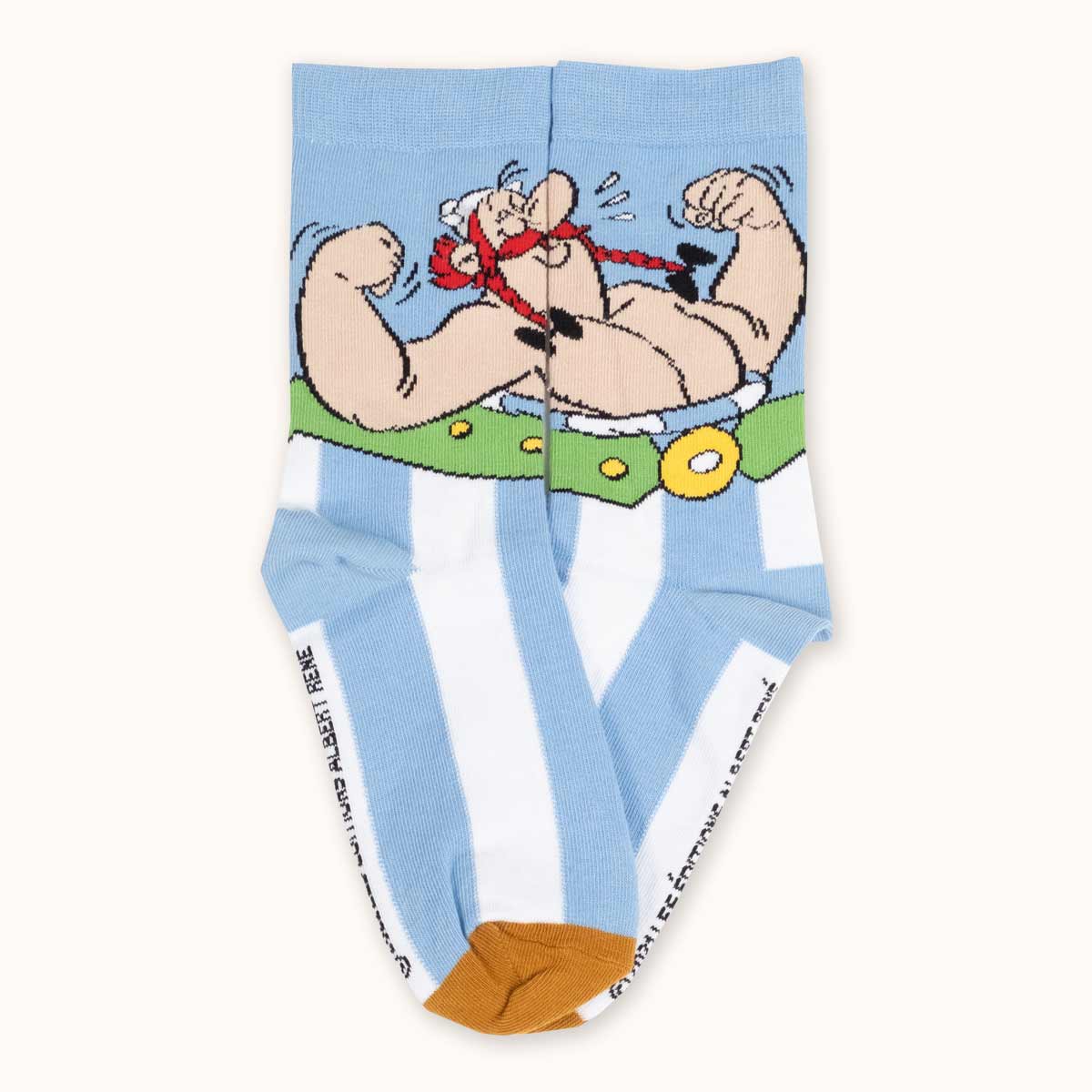
Textile printing (screen printing, DTF, etc.) makes it possible to reproduce complex, multicoloured, gradient visuals, photos or detailed graphic patterns, which “traditional textile” techniques may have difficulty rendering.
Embroidery: tradition, durability and relief
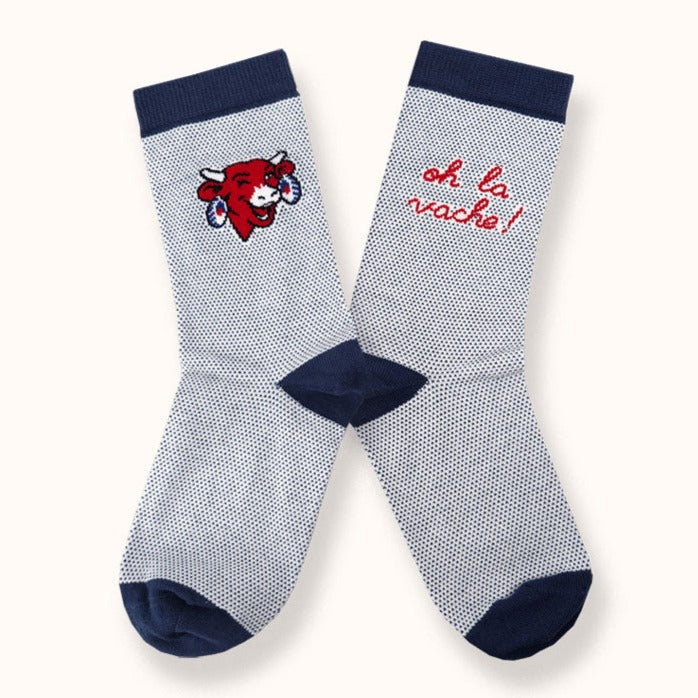
Embroidery involves stitching a design onto fabric with thread. The result is a raised, structured, high-quality effect, often perceived as more upscale.
It is extremely resistant to repeated washing and retains the pattern without cracking, making it an ideal choice for workwear, uniforms, or heavy-duty use.
However, it is less suitable for very complex or multicolored visuals: simple logos, typography, and understated patterns are preferable.
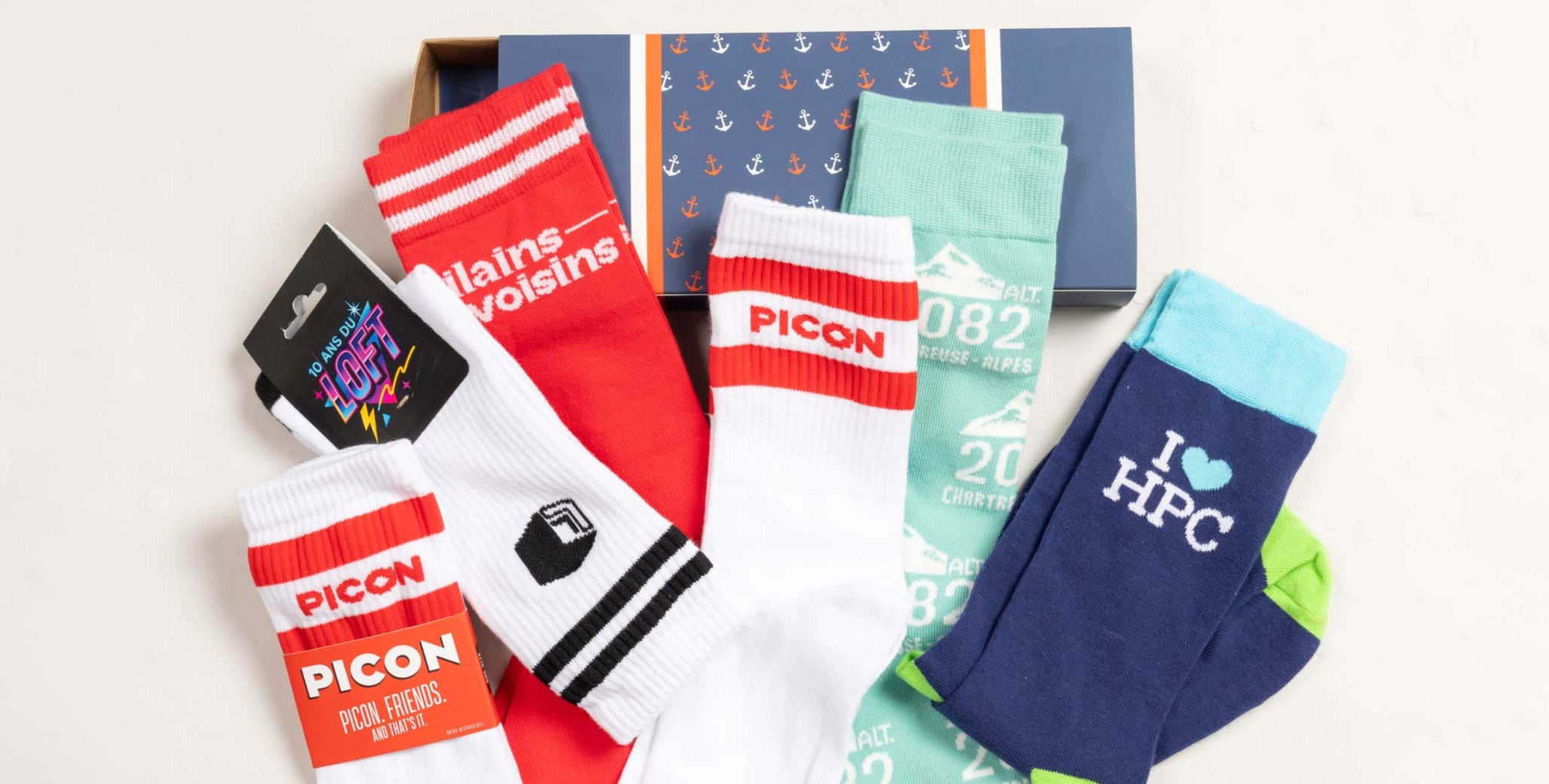
Clever idea: Create your own personalized gift sock box!
Jacquard (or custom weave): pattern integrated into the textile
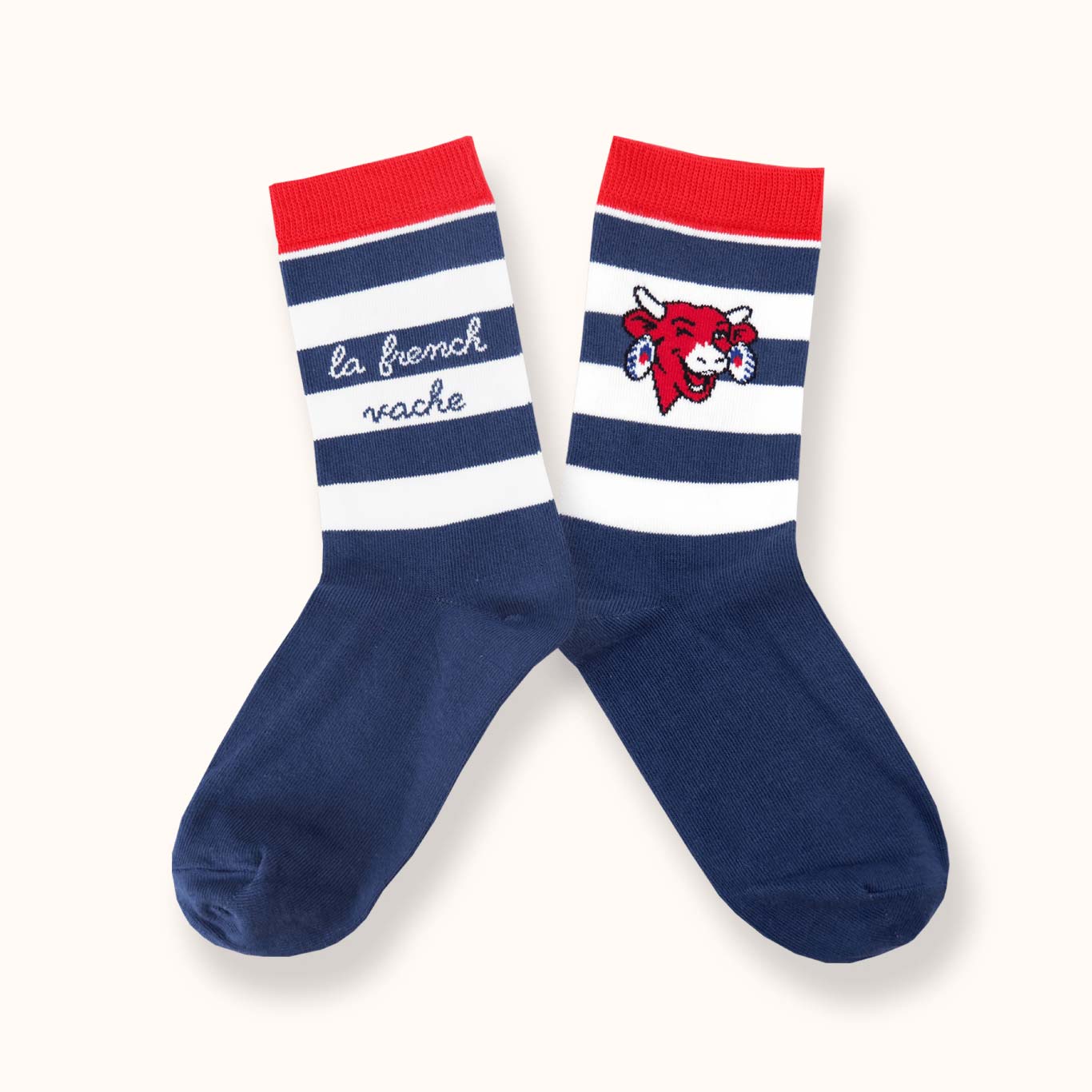
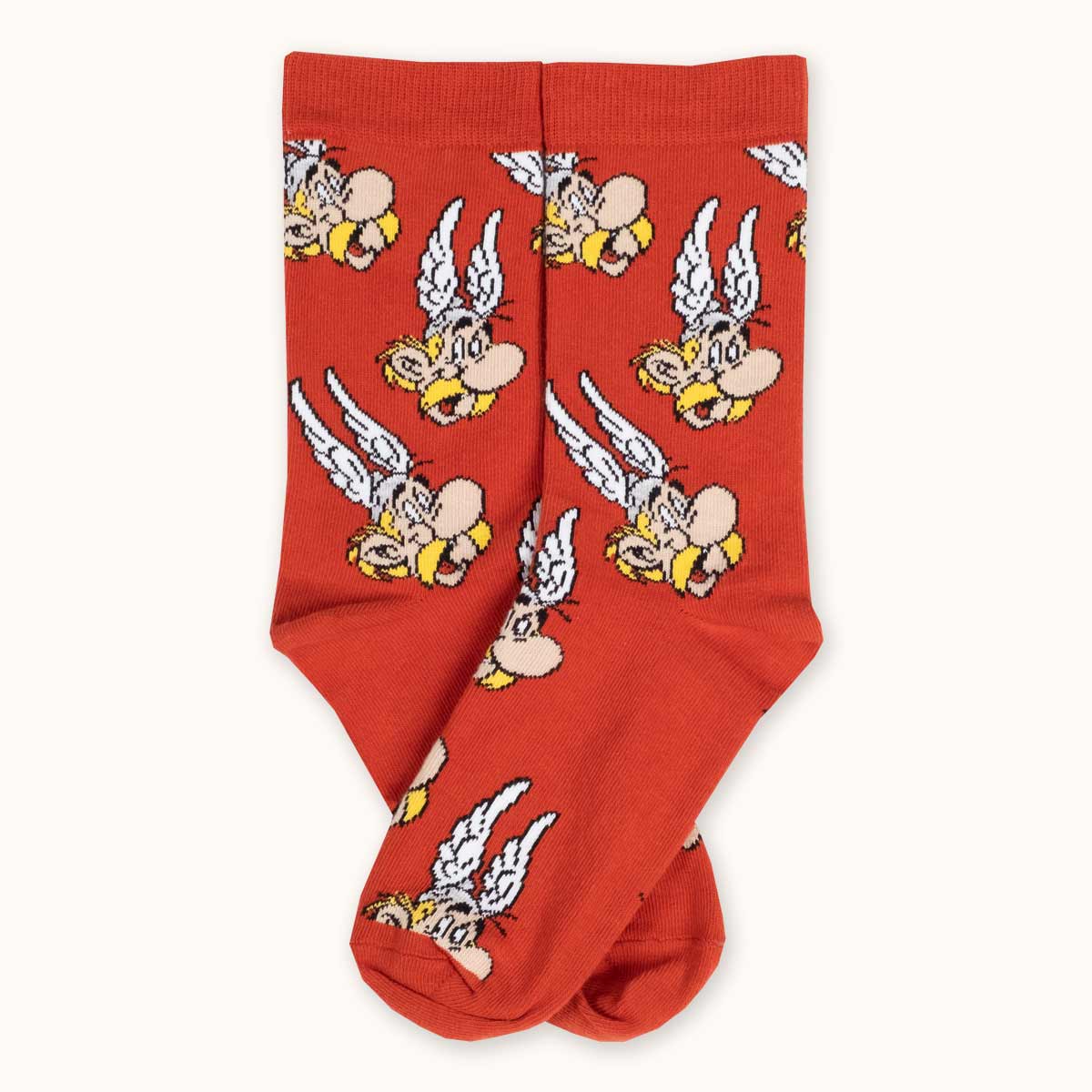
Jacquard, or woven marking, integrates the pattern into the very structure of the fabric; it is neither printing nor embroidery. The pattern is woven with the textile.
The visual impact is often more subtle, it is more “material” than “print” or “slapped logo”, which is ideal for elegant clothing, a sober or high-end style.
However, the graphic rendering is more limited for very colourful or detailed designs: the weaving imposes constraints on patterns and colours.
Our current favorites: sports socks

When should one method be preferred over the other?
The right choice depends on several criteria: intended use, fabric, appearance, volume, and budget. Here's how the decisions can vary depending on your needs.
For a striking, colourful, marketing or promotional visual, choose printing or sublimation.
Choose printing or sublimation if you are looking for:
- a graphic, colorful, detailed, multicoloured rendering (complex logo, artistic motif, marketing visual)
- marking on light, thin, stretchy textiles, t-shirts, socks, accessories, promotional textiles, particularly compatible with polyester or synthetic fabrics (especially for sublimation).
- For small or medium series, or for variety (multiple visuals, customization per client, limited editions…), printing is often more flexible and economical.
- sometimes shorter lead times, and a unit cost often lower than embroidery for comparable volumes.
Choose embroidery or jacquard when:
- You are aiming for a high-quality, high-end, professional look for uniforms, workwear, long-term clothing, corporate textiles.
- You need maximum durability, frequent washing, friction, intensive wear: embroidery lasts longer than printing.
- You accept a simpler, less detailed visual, understated logos, lettering, clean designs, without gradients or photographs.
- You produce small series or premium items: the unit cost is often higher, but so is the perceived value.
Our current star: our France Rugby - FFR socks

Comparative overview: advantages and limitations of the techniques
Before placing your order, here is an opportunity for reflection to help you choose according to your priorities.
Things to consider before choosing:
- Quantity and volume
- Type of textile (cotton, polyester, thin/thick material)
- Expected visual quality (simple pattern, logo, gradient, photo…)
- Uses (goodies, uniforms, merchandising, events…)
- Budget and deadline
How to define your “right” method according to your projects
Here is a simple checklist, depending on your objectives, to guide you towards the right technique:
Before ordering, ask yourself these questions:
- What type of visual do you want? Simple logo, text, or graphic pattern, photo, multicoloured?
- What type of textile is it? T-shirt, sweatshirt, socks, accessories, lightweight or heavyweight fabric?
- What quantity are you aiming for? A small series (a few dozen), a medium series, or a large series?
- What are they used for? Promotional items, uniforms, merchandising, events, sustainable clothing…
- What's your budget? Limited, moderate, or premium?
Depending on your answers, opt for printing if you want flexibility, a strong visual, varied series and a contained budget.
Embroidery is the right choice if you're looking for durability, quality, uniformity, and a premium image.
Note: Best practices for successful personalization
Here are some tips to avoid mistakes and maximize the quality of the result, regardless of the technique chosen:
- Provide a high-resolution or vector file for printing or embroidery to ensure sharpness and accuracy.
- For printing and sublimation, check that the textile is compatible (material, color, weight…) so that the ink adheres well.
- For embroidery: pay attention to the weight of the fabric, a fabric that is too thin or light may pucker or not support the needle, choose a fabric with sufficient weight.
- Consider durability: washing, care, regular use — especially if the garment is worn often.
- If possible, request a sample before mass production: this allows you to validate the appearance, the fit, the colors or the quality.
Choosing a textile customization method is strategic. It depends on what you value: creative freedom, budget, quantity, use, durability, or brand image.
No single method is universally best: each has its advantages and limitations. The important thing is to clearly define your objectives (promotional items, uniforms, merchandising, quality, volume) before launching your project.
At Label Chaussette, we can guide you through this selection process, advise you on the best technique for your needs, and provide you with a personalized quote. Don't hesitate to contact us to discuss your requirements; proper customization starts with asking the right question.