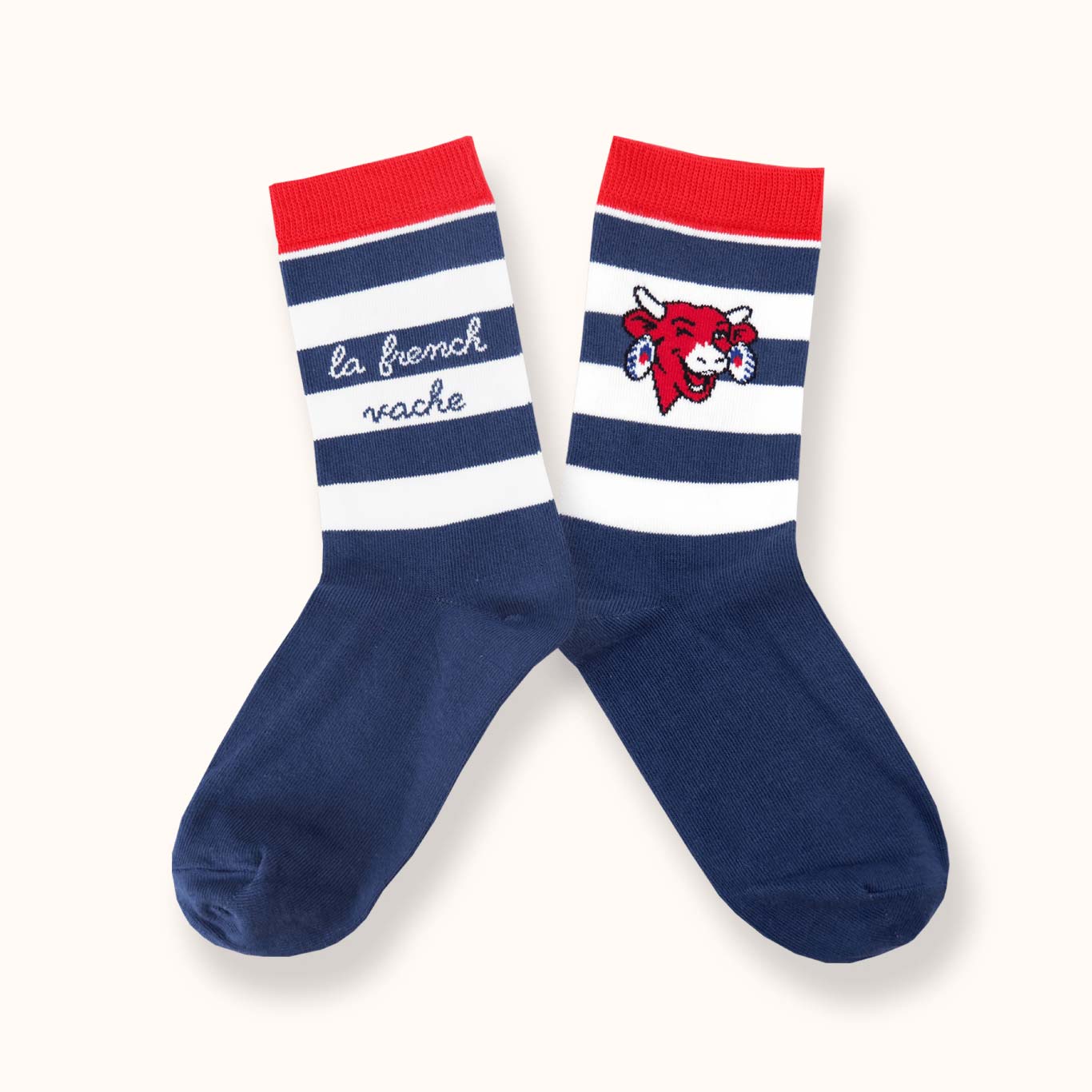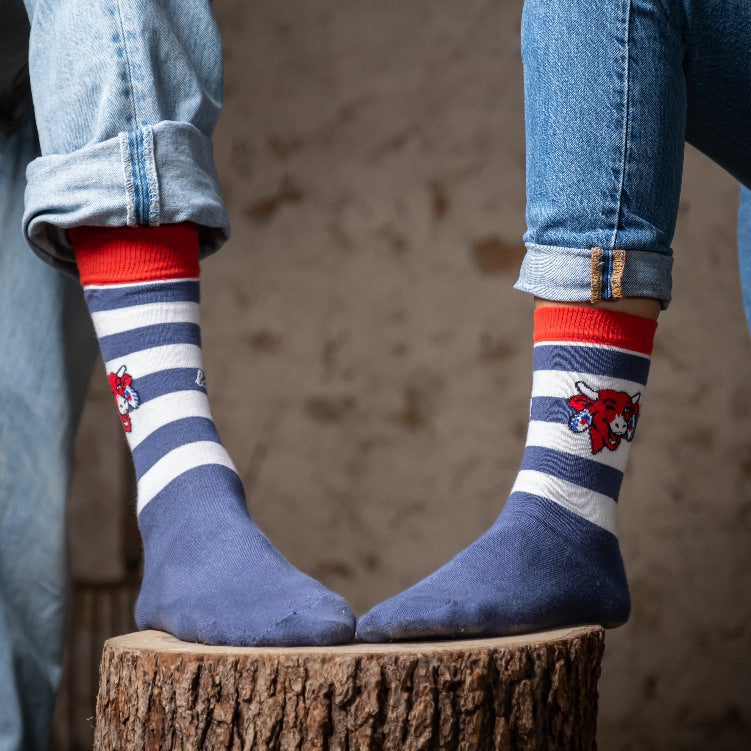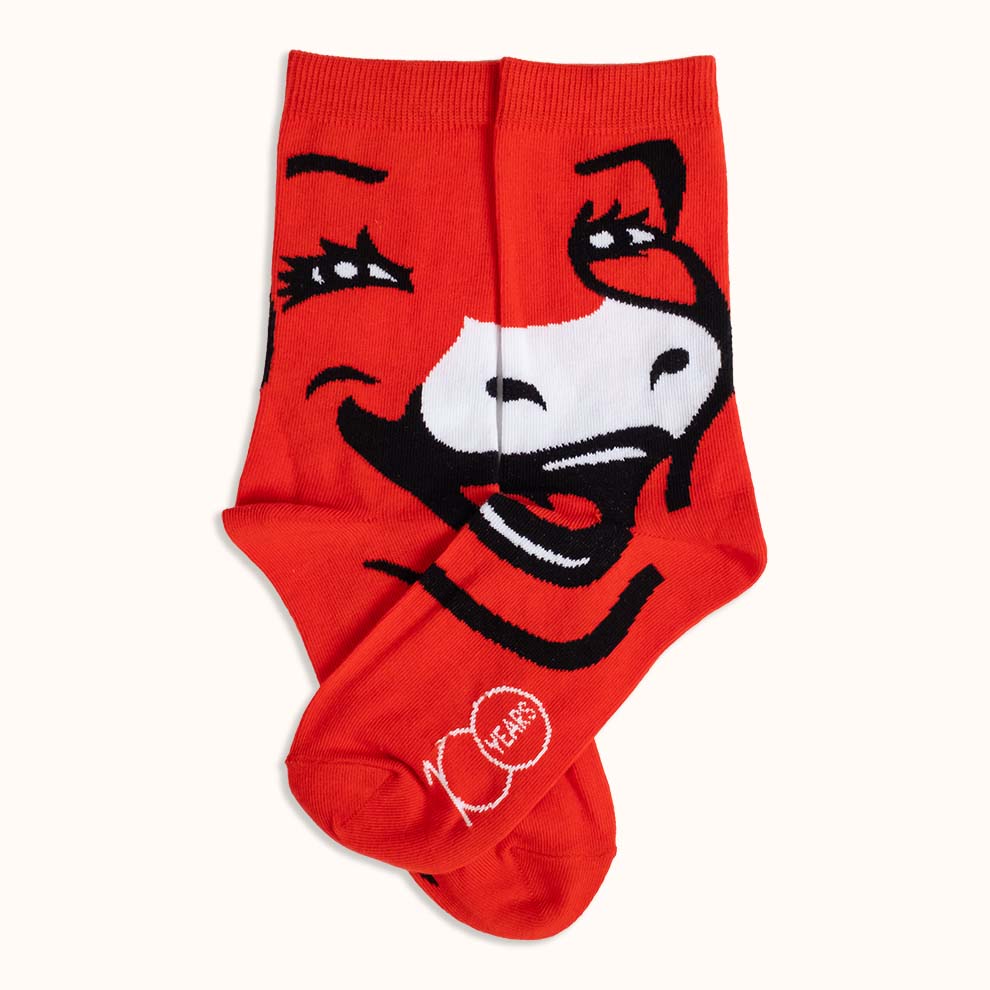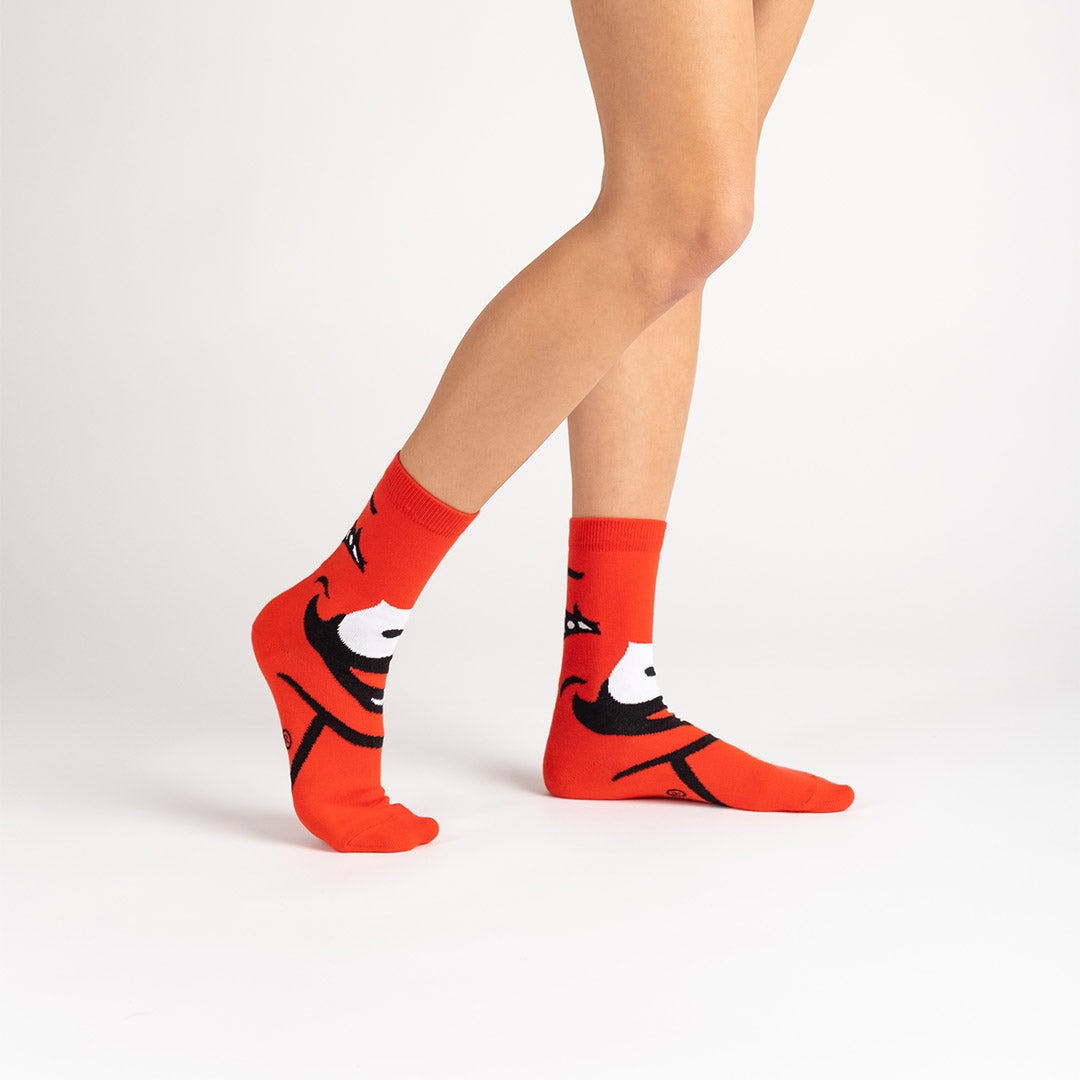


Textile merchandising and related products | Branded or club socks
📌 In summary:
- Textile merchandising reinforces brand or club identity.
- It offers an additional revenue or monetization channel.
- When well-designed, it fosters loyalty, engagement, and creates a lasting bond with your community.
Why textile merchandising is interesting for a brand, a club or an association
Adopting textile merchandising is not just an aesthetic choice: it is a strategic choice that combines visibility, engagement, revenue and loyalty.
Create brand ambassadors and strengthen engagement
Here's what textile merchandising can bring to your organization:
- Merchandise (socks, clothing, accessories) acts as “walking ambassadors”: when a member or fan wears your logo or colours, it is a living advertisement that spreads your image.
- This creates a sense of belonging and collective identity: wearing your colours affirms a link, a community, a commitment, which solidifies the link between the brand and the club and its members or fans.
- It is an excellent tool for loyalty and long-term engagement: a good derivative product strengthens the emotional bond, arouses pride of belonging, and encourages keeping the item in the long term, which is the best thing about merchandising.
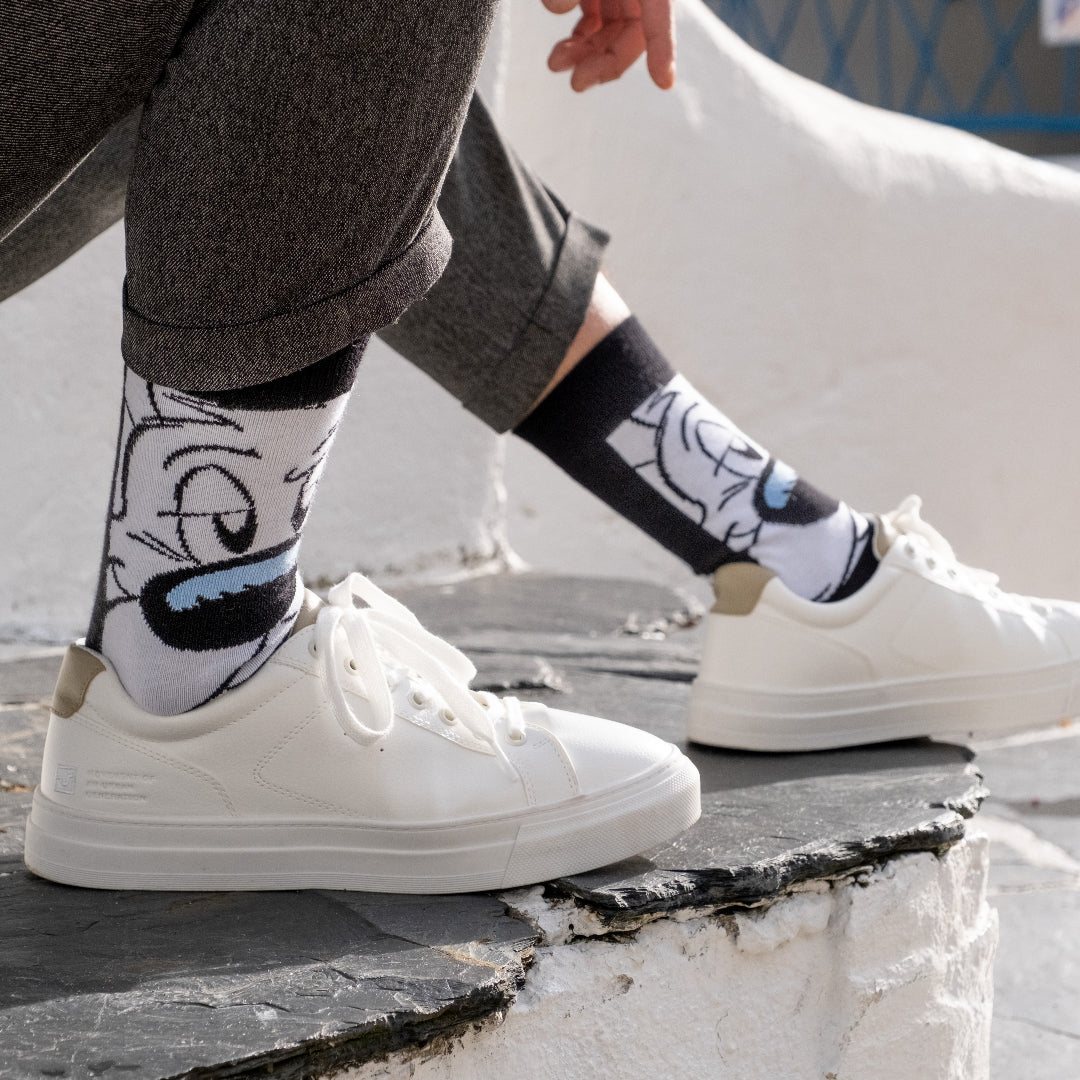
You want them all: our sports socks

Generate a source of income or funding for your organization
Selling personalized clothing or accessories is not just for gifts, it is also a real business opportunity.
- Merchandise becomes a monetization channel: members, supporters or customers can buy your textiles to support the brand or club and proudly display your colors.
- Compared to traditional promotional items, textiles, when of good quality, have a higher perceived value, which allows them to be sold at a more attractive price while promoting a good quality-utility ratio.
- Merchandising creates permanent visibility: a garment worn regularly offers repeated exposure of your brand, which is much more lasting than a one-off advertisement.
Our must-have gifts: France Rugby - FFR Socks

What products and formats are suitable for effective textile merchandising?
Depending on your brand, community or club, some types of products lend themselves better than others to textile merchandising.
Recommended product types
Here is a selection of popular merchandise:
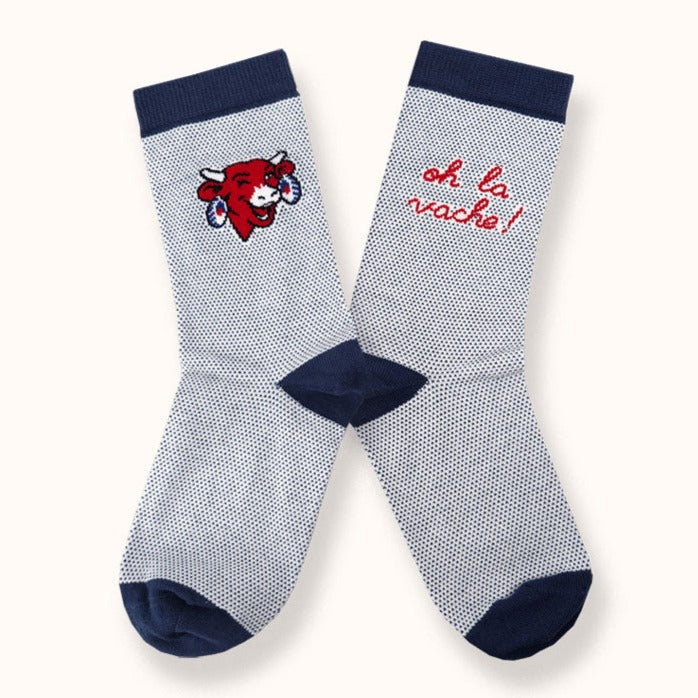
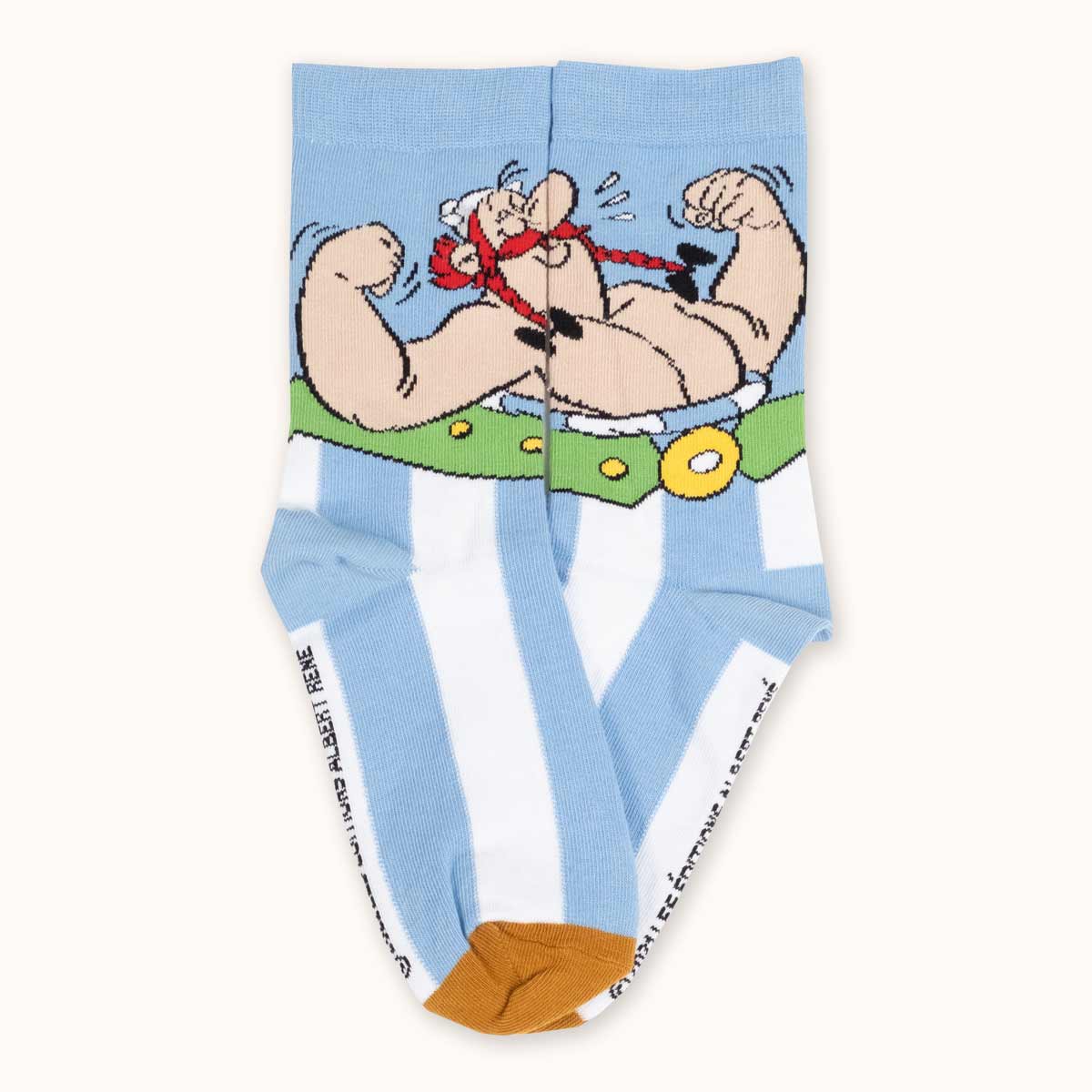
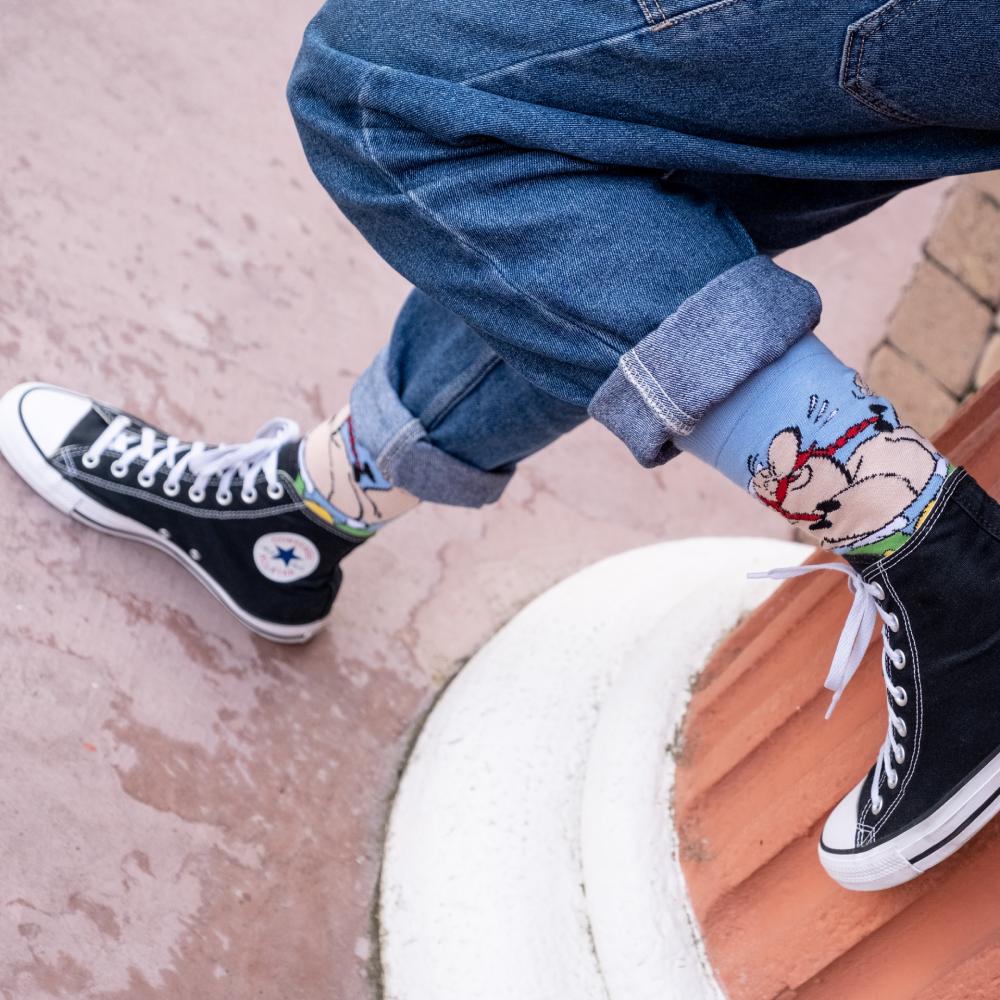
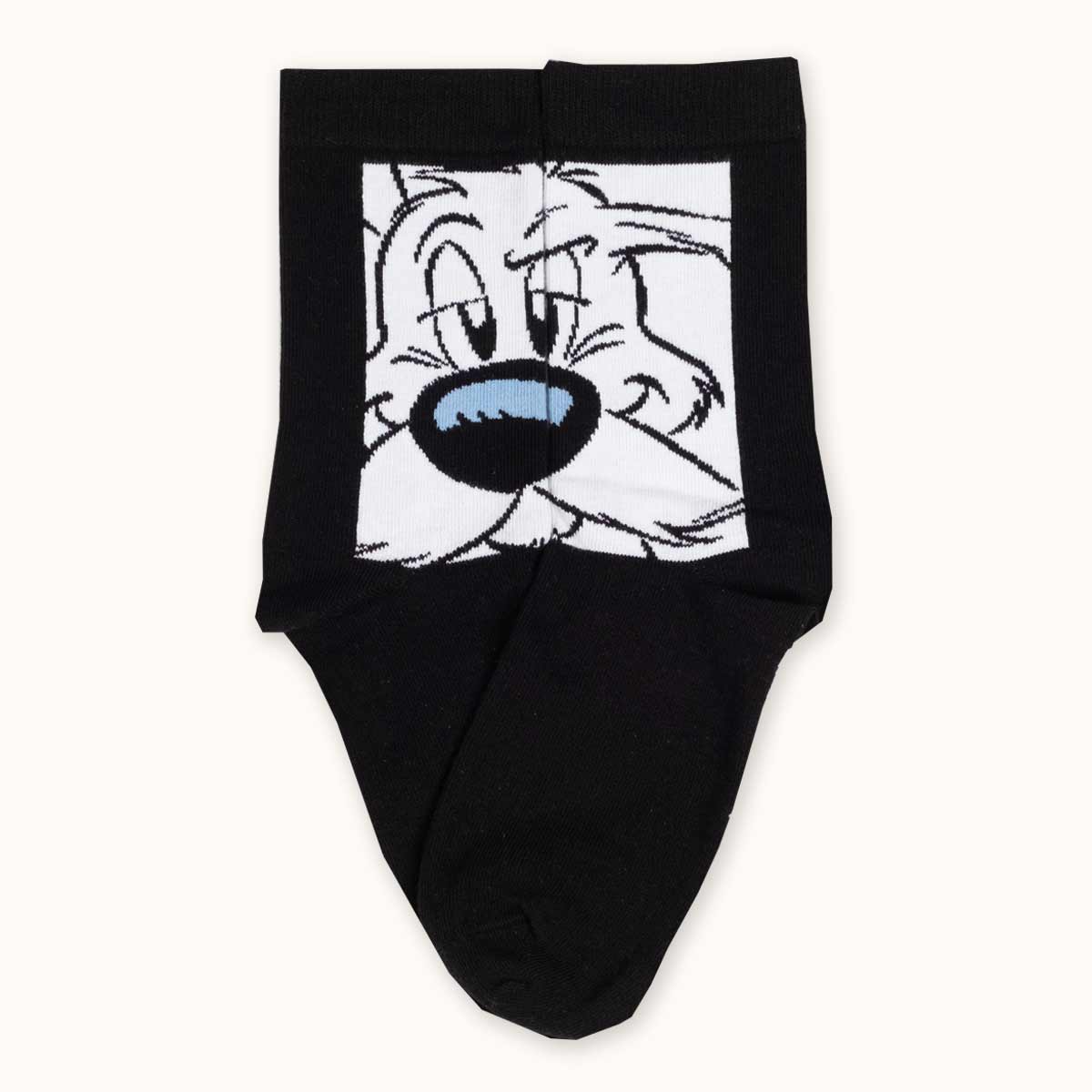
- Custom socks that are easy to produce, useful, and original for discreet or fun merchandising.
- T-shirts, sweatshirts, polo shirts, hoodies, classic clothing items that allow for extensive branding (logo, slogan, visual).
- Accessories and complementary items: caps, bags and tote bags, beanies, scarves, etc., to expand the textile universe.
- Useful or lifestyle “goodies” such as everyday objects or items related to the community: bag, tote bag, beanie, etc., which extend the engagement.
Customization and positioning tips
When designing your merch collection, keep these best practices in mind:
- Offer a design consistent with your brand or club identity: logo, colours, slogan or iconic visual, to maximize recognition.
- Pay attention to the quality of the textile, printing and personalization: a good product promotes loyalty and gives a serious image.
- Offer a variety of products (clothing, accessories, small goodies) to appeal to different profiles and budgets, moderate fans, loyal members, committed supporters, etc.
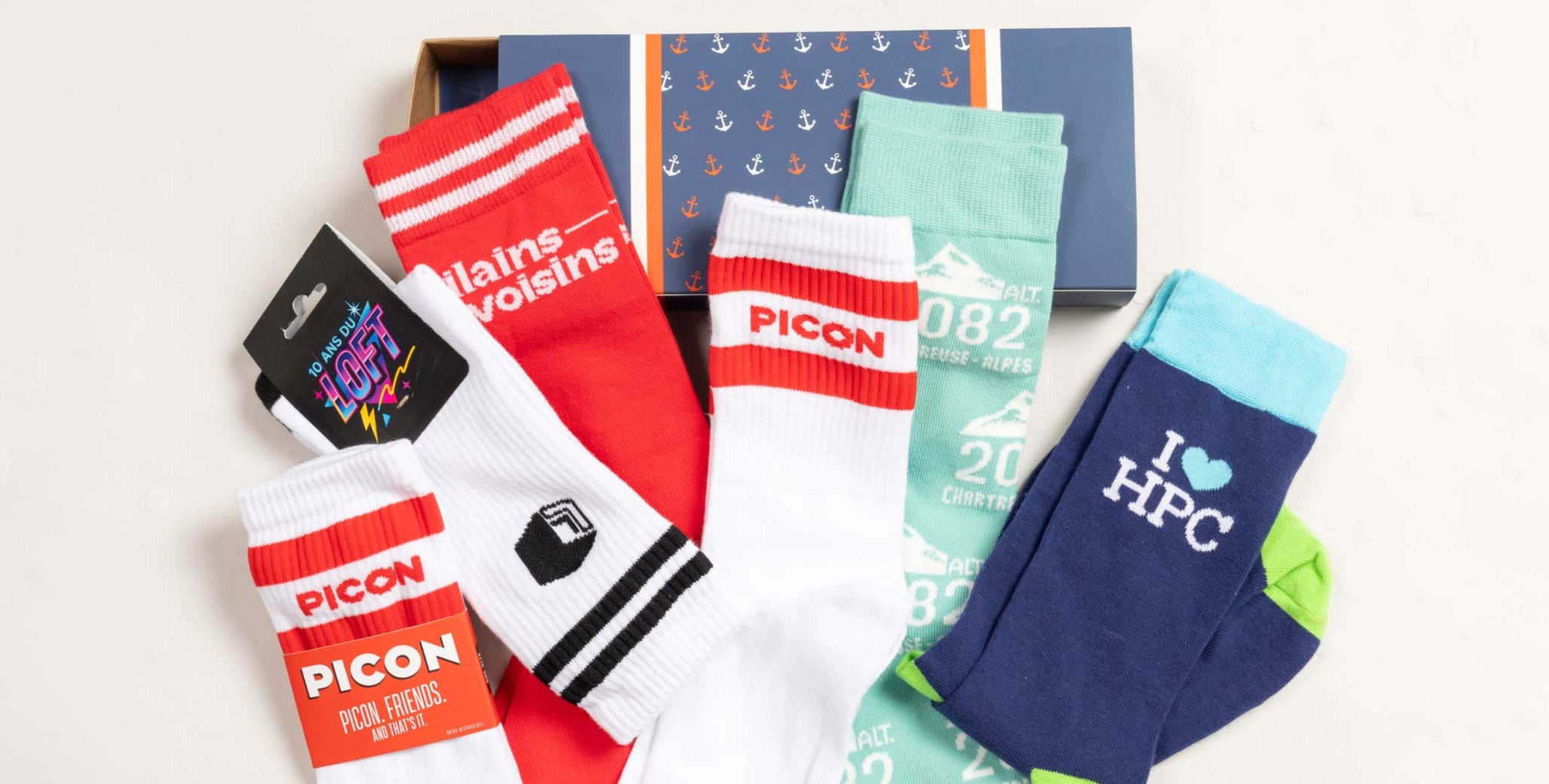
Premium idea: Create your own personalized gift sock box!
How to launch a successful textile merchandising campaign: steps and best practices
Launching your own custom textile shop or line requires some planning. Here's a step-by-step guide to maximize your chances of success.
1. Define the identity, objective and target audience
First and foremost, lay the groundwork: who are you, what image do you want to project, who are your customers, members or supporters, and what type of products suit them?
- Identity: logo, colours, visuals, values of your brand or club.
- Objective: visibility, revenue, loyalty, cohesion, merchandising.
- Target audience: members, customers, fans, supporters — according to their expectations and purchasing power.
2. Choosing the right components and customizing the textile
Select the type of textile (socks, t-shirts, sweatshirts), the marking method (printing, embroidery, sublimation…), and evaluate the costs based on the expected volumes.
- For small batches or graphic effects: printing, sublimation.
- For a premium and durable finish: embroidery or jacquard.
- Pay attention to the quality of the textile and good comfort; a good product is wearable and promotes visibility.
3. Determine quantities, pricing, and stock levels
Organizing stock, pricing, and distribution remains fundamental:
- Estimate volumes: depending on your member or fan base, plan for sufficient stock, without overproduction.
- Define a consistent selling price: attractive enough for buyers, while still allowing a margin for the business.
- Manage stock: sizes, variants, possible restocking, production on demand or limited series depending on the model.
4. Create the shopping and membership experience
Merchandising is also about perception. To maximize impact, pay close attention to packaging and presentation; a high-quality finish and attractive packaging enhance perceived value. Next, communicate your values, the club or brand identity, its history, and its commitments to create an emotional connection. Finally, offer a seamless purchasing experience: online store, pre-order options, group orders, event distribution, etc.
5. Animate and promote your merchandise
A good product is not enough: it must be promoted and integrated into your overall strategy.
To achieve this, use your communication channels (website, newsletter, social media, events, etc.) to launch the merchandise. Create a sense of exclusivity or belonging: with limited editions, seasonal collections, VIP members, etc. And encourage your members to share their purchases: photos, testimonials, community building, to generate buzz and increase visibility.
The benefits for a club, an association or a community
Textile merchandising is not reserved for businesses: clubs, associations, communities can find an even greater interest in it.
Members wear the colours, recognize each other, display their belonging, this creates a strong sense of community.
Furthermore, selling derivative products makes it possible to finance activities, events and travel, or to support the structure without depending solely on membership fees or subsidies.
A supporter or member wearing your products spreads your identity in the street, among their contacts; it's free and lasting advertising.
Finally, emotional value and loyalty come from a well-thought-out product, like the club itself; it creates a feeling of attachment, which fosters loyalty over time and encourages engagement.
What are the risks, pitfalls, and keys to success?
Merchandising may seem simple, but without a strategy, it can fail to make an impact, or even be harmful. Here's what you need to anticipate to avoid common mistakes.
- Pay attention to quality: poor quality textiles or sloppy markings give a bad image; it's better to invest a little more in a durable product.
- Properly size the volume: avoid overstocking or overproduction, which can be costly, or create saturation.
- Thinking about logistics and stock management: sizes, returns, group orders, restocking, it's a real management project just like any other merchandise.
- Ensuring sufficient perceived value: a “cheap” derivative product can discredit the brand; consistency must be maintained between the brand image and the quality of the product.
- Take care with the branding and the story: members are not just buying an object, but a symbol, a sense of belonging; it is this emotion that needs to be built.
Implementing textile merchandising, through socks, t-shirts, sweatshirts, or accessories, allows you to create a strong connection, enhance your community, and promote your brand image. You generate revenue or funding for your brand, company, club, or association.
Contact us now for personalized support and a customized quote for your socks.